

Neighborhoods / Berkeley
Living in Berkeley, CA: A Local Guide to Neighborhoods, Homes, and Architecture
Published
I work mainly in Berkeley, and I spend much of my week in these neighborhoods: touring properties, reading disclosures, learning the city block by block. I also make videos about how Bay Area places got their names, and Berkeley was Episode 1 of that series, because this city's story explains its houses better than any market report can.
This is the guide I wish I could hand every person who asks me what living in Berkeley is actually like.
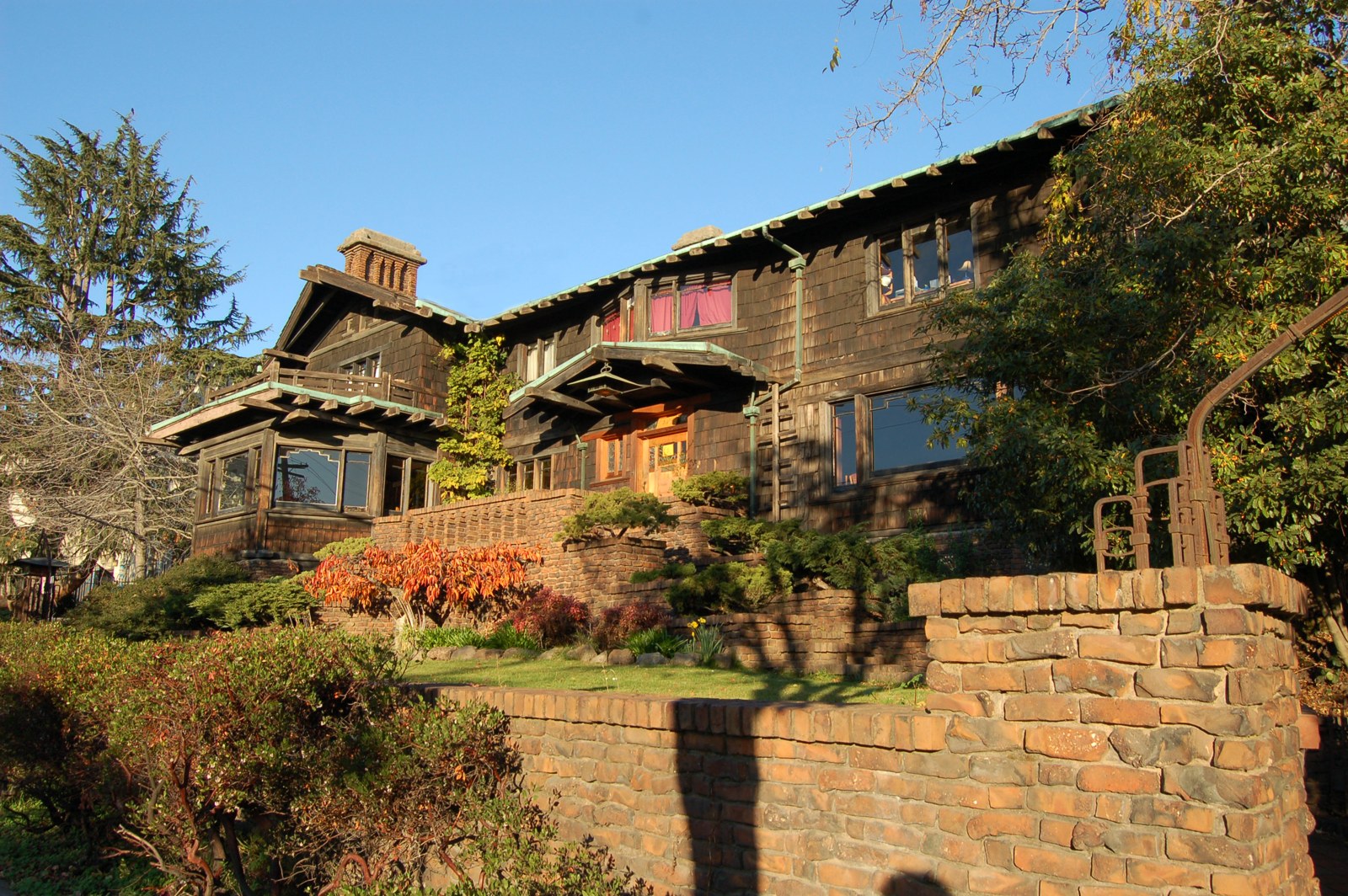
How Berkeley got its name (and why it still matters)
On May 24, 1866, trustees of the private College of California stood at what is now called Founders' Rock, looking west toward the Golden Gate. Trustee Frederick Billings recalled a poem by the Irish philosopher George Berkeley, "Westward the course of empire takes its way," and the trustees voted on the name that same afternoon. The waterfront town of Ocean View merged with the college community and incorporated as Berkeley in 1878.
Long before any of that, this was Ohlone land. The West Berkeley Shellmound, built more than 5,000 years ago, returned to Indigenous stewardship in 2024.
I retell it here because Berkeley's neighborhoods only make sense if you know the city grew in chapters, and each chapter built different homes.
North Berkeley: Maybeck and the Hillside Club
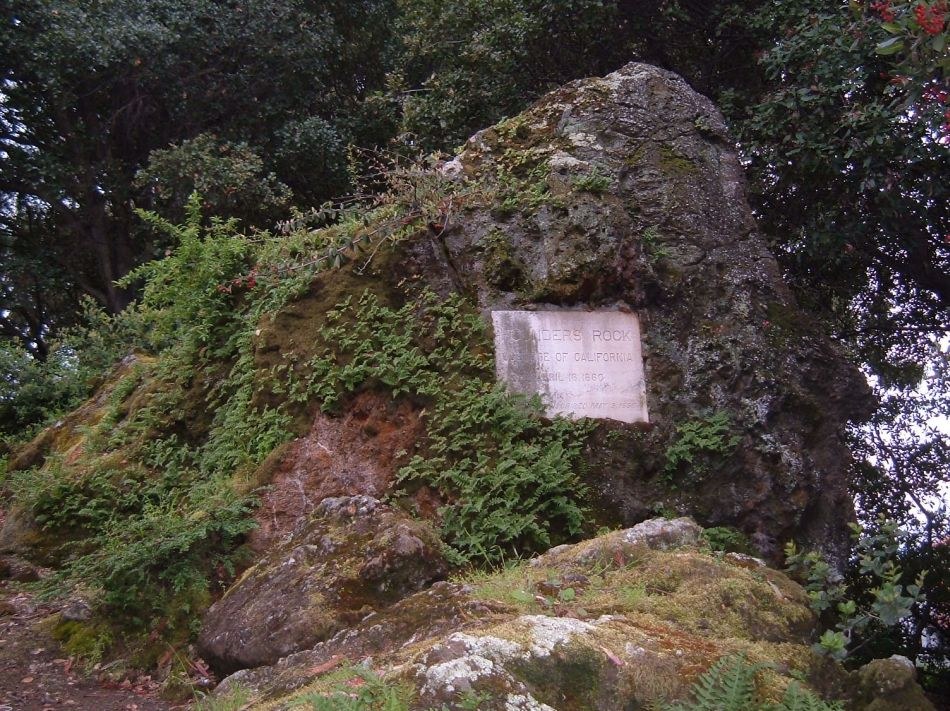
Some of Berkeley's most influential houses trace back to one client and one architect. In 1895, Bernard Maybeck designed his first private commission for the poet Charles Keeler on Highland Place: a steep-roofed, unpainted redwood house that looked like it grew out of the hill. Keeler loved it and worried the lots around him would fill with what he called "stupid white-painted boxes."
So neighbors organized. In 1898, a group of women including May Gray and Madge Robinson founded the Hillside Club to push for homes that worked with the landscape: houses tucked into the slope, streets that followed the terrain, natural materials left natural. That is why North Berkeley and the hills are full of brown shingle and redwood homes instead of a grid of identical lots.
Living here today means leafy, winding streets, some of the city's most admired architecture, and the North Shattuck food district locals call the Gourmet Ghetto, where Peet's Coffee opened in 1966 and Chez Panisse followed in 1971. Solano Avenue's shops run along the city's north edge. Homes are mostly early 1900s brown shingle, Craftsman and period revival, often on sloped lots.
Buyer note: these are some of Berkeley's oldest and most loved homes. Expect competition, expect older systems, and read the disclosure package slowly.
Elmwood: the streetcar suburb
After the 1906 San Francisco earthquake, Berkeley boomed, and the southeast neighborhoods filled in along the streetcar lines. Elmwood grew out of tracts subdivided in that era, and its housing still shows it: detached Brown Shingle, Arts and Crafts and Colonial Revival homes on garden lots, organized around the small shopping street at College and Ashby.
Elmwood also holds a harder piece of history. In 1916, Berkeley adopted single-family zoning for Elmwood, the first district of its kind in the country. The rule was designed in part to keep certain businesses and people out, and it became a model for exclusionary zoning across America, a legacy Berkeley's city council formally resolved to end in 2021.
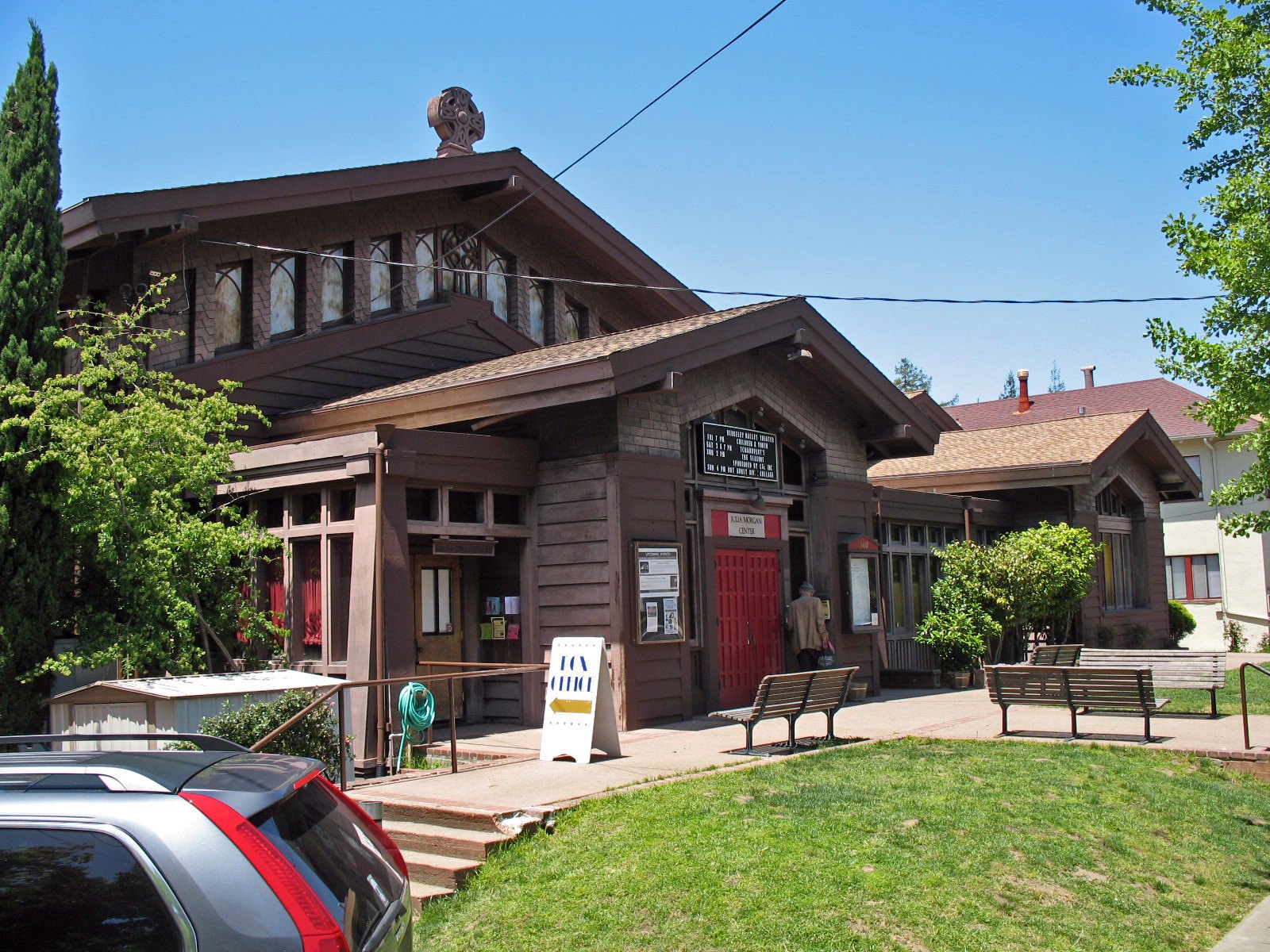
Living here today means a walkable pocket with its own cafes and a theater, tree-lined streets, and a settled, residential feel a short ride from campus.
Buyer note: mostly early 20th century houses, well kept and in demand. Same diligence rules as North Berkeley: foundations, drainage, electrical, permits.
Claremont: grand homes under the hill
A little further uphill, Claremont mixes larger period homes, Mediterranean and Tudor revivals among them, with the Claremont Resort & Club, open since 1915, anchoring the foot of Claremont Canyon. Streets curve with the terrain, lots get bigger, and many homes have canyon or bay outlooks.
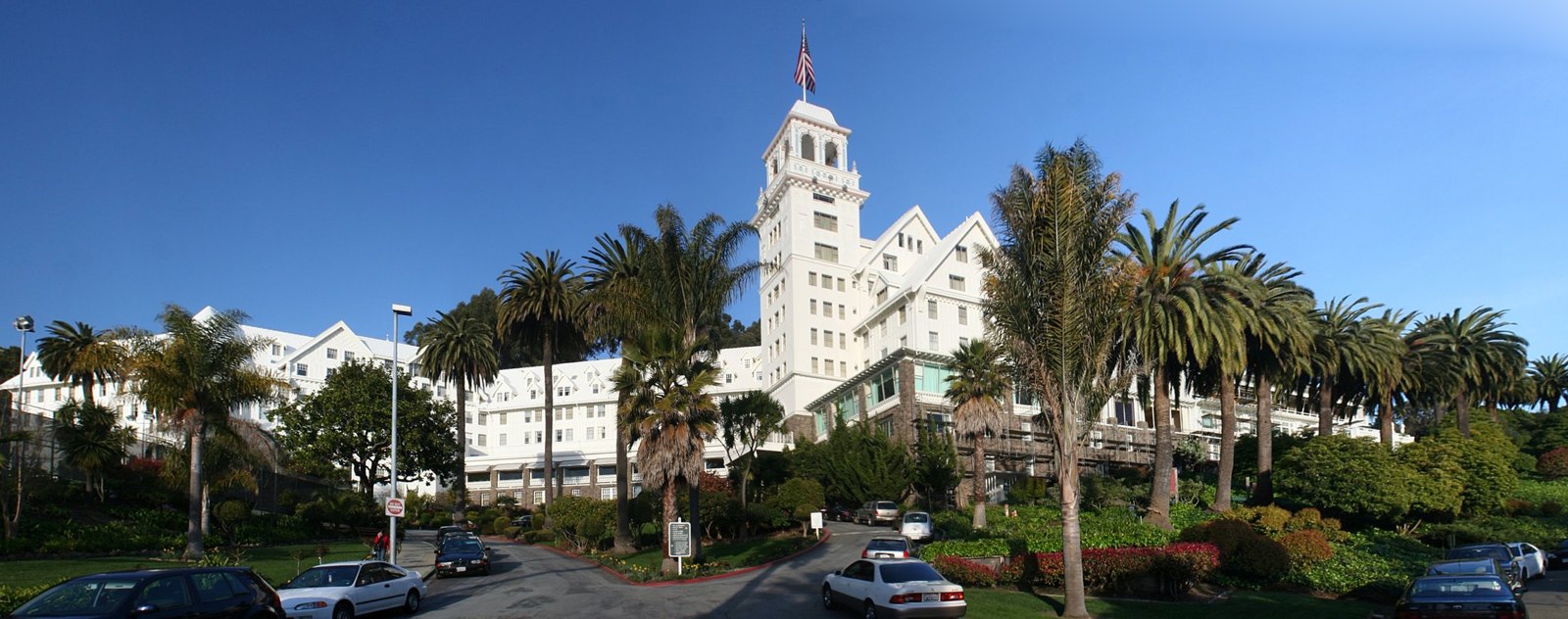
Living here today means quiet, scenic streets with quick access to Claremont Canyon's trails and to the College Avenue shops below.
Buyer note: a mix of renovated estates and homes waiting for their next steward. Hillside lots make drainage and retaining structures worth a careful look.
West Berkeley: the city's first chapter
Down by the water is where town life in Berkeley began. Ocean View grew up on its own before the 1878 merger, and West Berkeley still carries that separate, working-town character: Victorian and early cottages, former industrial buildings turned into workshops, studios and homes, and the Fourth Street shopping district near the bay.
This is also where the Shellmound story lives. The site at Fourth and Hearst, sacred to the Lisjan Ohlone, was nearly developed; in 2024 it returned to Indigenous stewardship after years of community organizing.
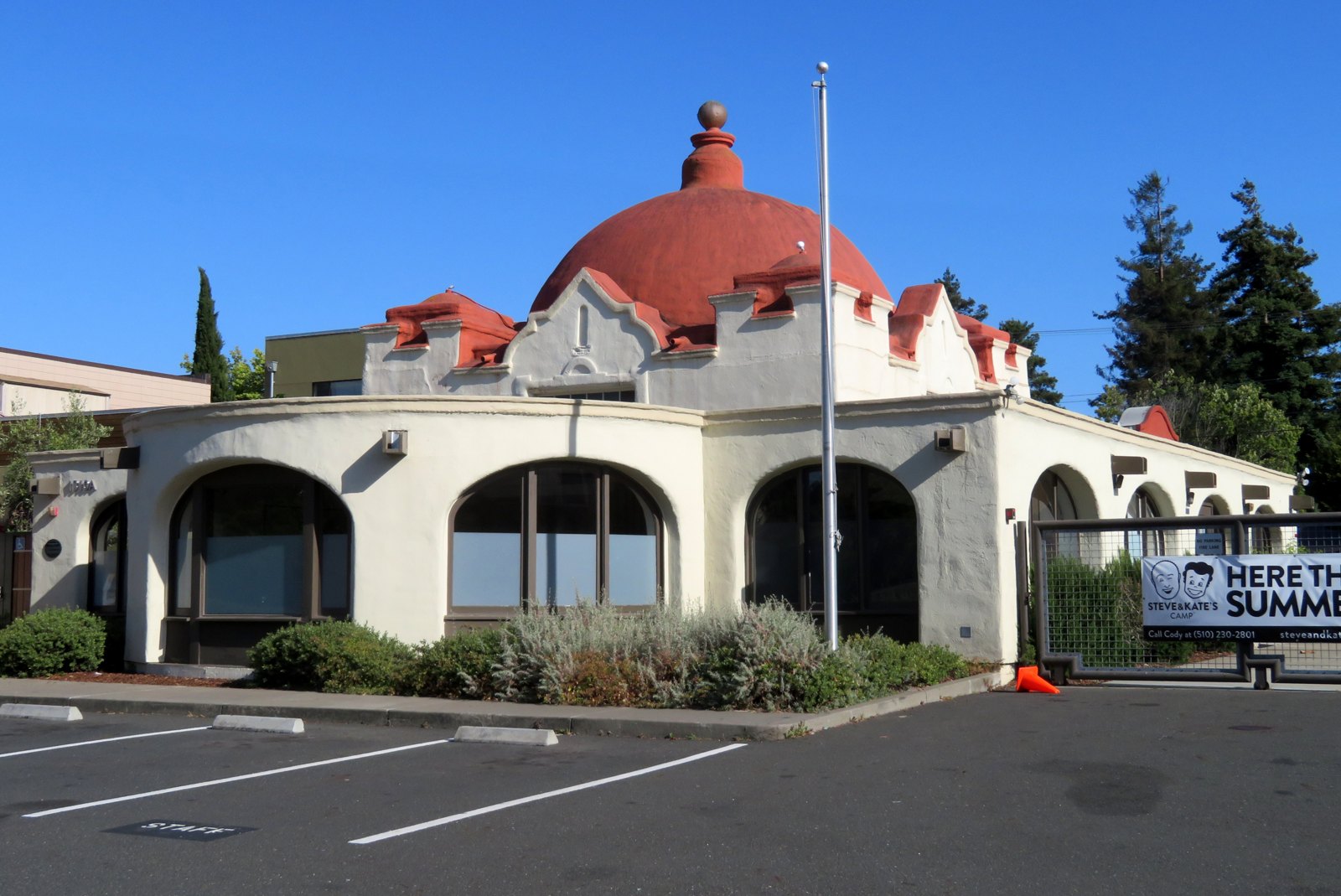
Living here today means flatter streets, bay access at the marina, and a neighborhood that has kept reinventing itself without losing its bones.
Buyer note: the widest mix of housing in the city, from 19th century cottages to loft conversions. Older industrial surroundings make disclosures and environmental reports worth reading closely.
Downtown Berkeley: transit and culture
Downtown is the city's transit hub, with BART at its center, and its arts district, with Berkeley Rep and the UC campus at its edge. Housing here is different from the rest of the city: apartments and condos, including newer mid-rise buildings, rather than single-family streets.
Living here today means the most walkable, car-optional version of Berkeley, with the university's energy right there.
Buyer note: condos mean HOAs, so add reserves, dues and building health to the diligence list alongside the unit itself.
The Berkeley Hills: views and the fire's lesson
In September 1923, a wildfire came down the north hills toward campus and destroyed hundreds of structures, including many Maybeck designs and the Hillside Club's own clubhouse. The rebuilding that followed, and the building booms after it, layered the hills with Mediterranean revivals, mid-century homes and Bay Tradition designs built to frame the view. If you have seen my reels, you know these houses: glass, redwood, and a living room aimed at the Golden Gate.
Living here today means winding roads, fog and sun trading places, and some of the best outlooks in the East Bay.
Buyer note: the 1923 fire is not just history. Ask about defensible space, vegetation management and insurance early, because in the hills those answers can shape the whole purchase.
Getting around Berkeley
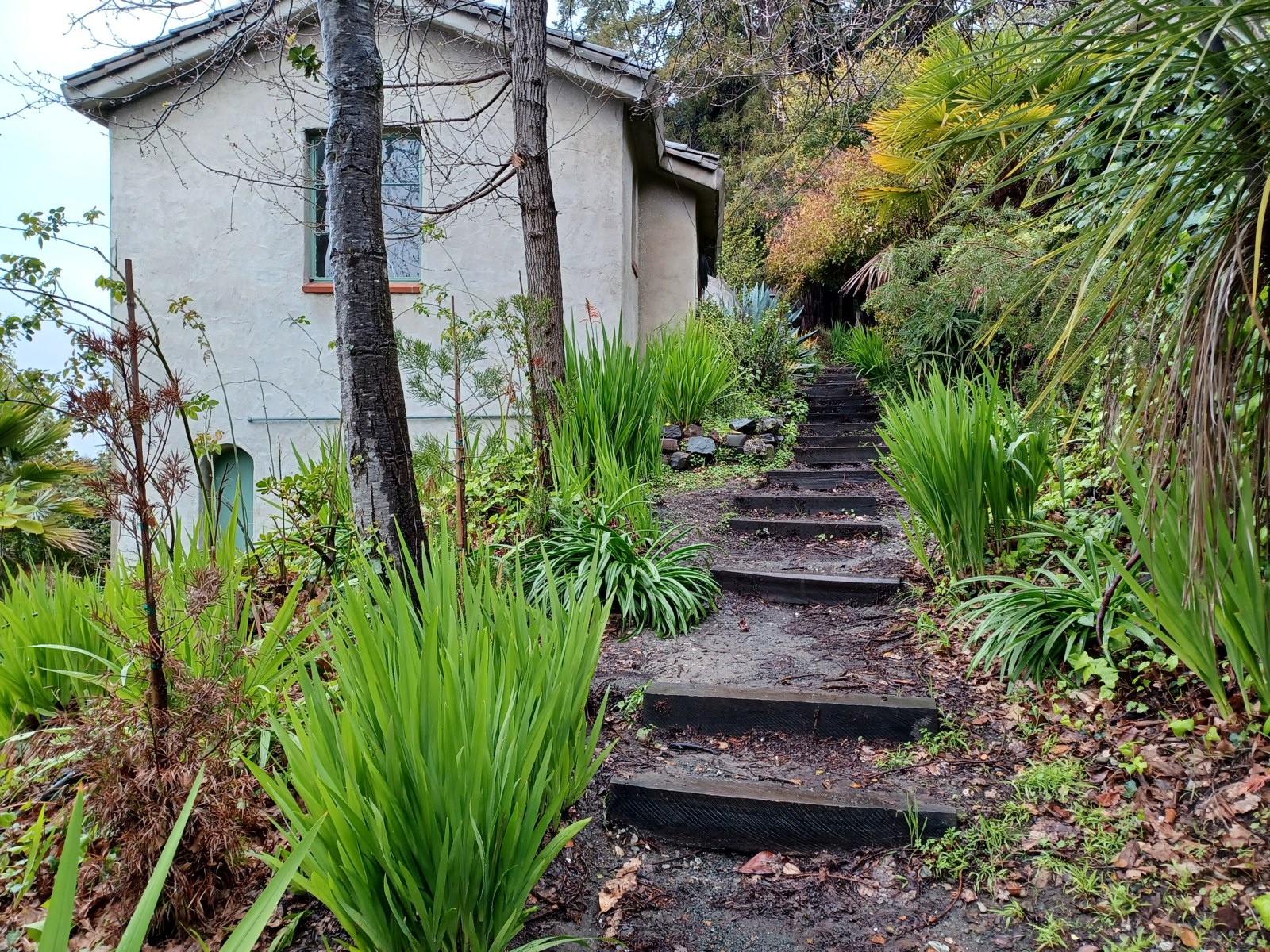
Berkeley has three BART stations, all on a line through the flatlands: Downtown Berkeley on Shattuck, North Berkeley on Sacramento Street, and Ashby on Adeline in South Berkeley. Downtown station sits in the middle of everything. North Berkeley station is about a 25-minute walk, depending on your destination, or a short bus ride from the Gourmet Ghetto, and Ashby station is roughly a mile west of Elmwood's College and Ashby corner. West Berkeley has no station of its own; from the Fourth Street shops, North Berkeley station is the closest, a little over a mile east, and buses run the corridor. The flatlands are the most walkable and bikeable parts of the city, with daily errands clustered on streets like College, Shattuck, Solano and Fourth. The hills are a different rhythm: winding roads, fewer shops within walking distance, and a car or a good bus connection as part of daily life. Where you land in Berkeley is partly a choice between those two rhythms.
What to look at when you buy a Berkeley home
Most Berkeley homes are old, and that is the point. It also means the listing photos are the beginning of diligence, not the end. What I tell every buyer:
- Foundation, roof and drainage, especially on sloped lots
- Electrical and plumbing updates, or the lack of them
- Unpermitted additions and conversions, which are common in older stock
- The full disclosure package, read slowly, not skimmed
- For hills homes, fire history, vegetation and insurance quotes
- For condos, HOA reserves, dues and building condition
FAQ
What is Berkeley known for?
The university, food and a political streak. For homebuyers, the answer is architecture: brown shingle and Craftsman homes in the hills and northside, streetcar-era houses in Elmwood and Claremont, Victorians and lofts in West Berkeley, and mid-century view homes in the hills.
Where did the name Berkeley come from?
An 1866 vote by College of California trustees, inspired by a poem by the philosopher George Berkeley, who never came to California.
Are most homes in Berkeley old?
Much of the housing stock dates from the 1890s through the postwar years, with infill since. Older homes are the norm, which is why inspections and disclosures matter so much here.
How do you get around Berkeley without a car?
The three BART stations run through the flatlands, with buses reaching the neighborhoods between them. Downtown, Elmwood and West Berkeley are walkable for daily errands once you're there. The hills are harder without a car.
Is Berkeley expensive?
Prices vary widely by neighborhood, size and condition, and well-kept homes draw strong competition. Preparation, not panic, is what wins.
Is Berkeley good for first-time buyers?
It can be, with the right preparation. Know the recent sales, walk properties carefully, and back your offer with evidence. My own first-time buyers won their home with multiple offers on the table, over in Pinole.
What should I know about buying in the Berkeley Hills?
Views come with hillside realities: drainage, access, vegetation management and insurance. Start those conversations before you fall in love with a house.
Berkeley rewards people who take the time to know it. If you're exploring a move here and want a guide who reads the city through its homes, I'm always happy to talk.
Keep reading: Berkeley, through its homes
Sources: Berkeley Historical Society and Museum (the naming and the 1923 fire), the Berkeley Historical Plaque Project, Cal Alumni Association's California Magazine (Maybeck, Keeler and the Hillside Club), The Monthly, Sogorea Te' Land Trust, Claremont Resort & Club, the BHSM Gourmet Ghetto chronology, KQED and the City of Berkeley's 2021 resolution on zoning history, BART and Visit Berkeley for stations, and Wikipedia's Elmwood entry for subdivision history.